

FIRE ● MOLD ● WATER
Mold Damage Reconstruction in Berlin, NJ
- CERTIFIED TECHNICIANS
- 24/7 EMERGENCY SERVICES
- WE WORK WITH ALL INSURANCE
- WE ARRIVE WITHIN 60 MINUTES
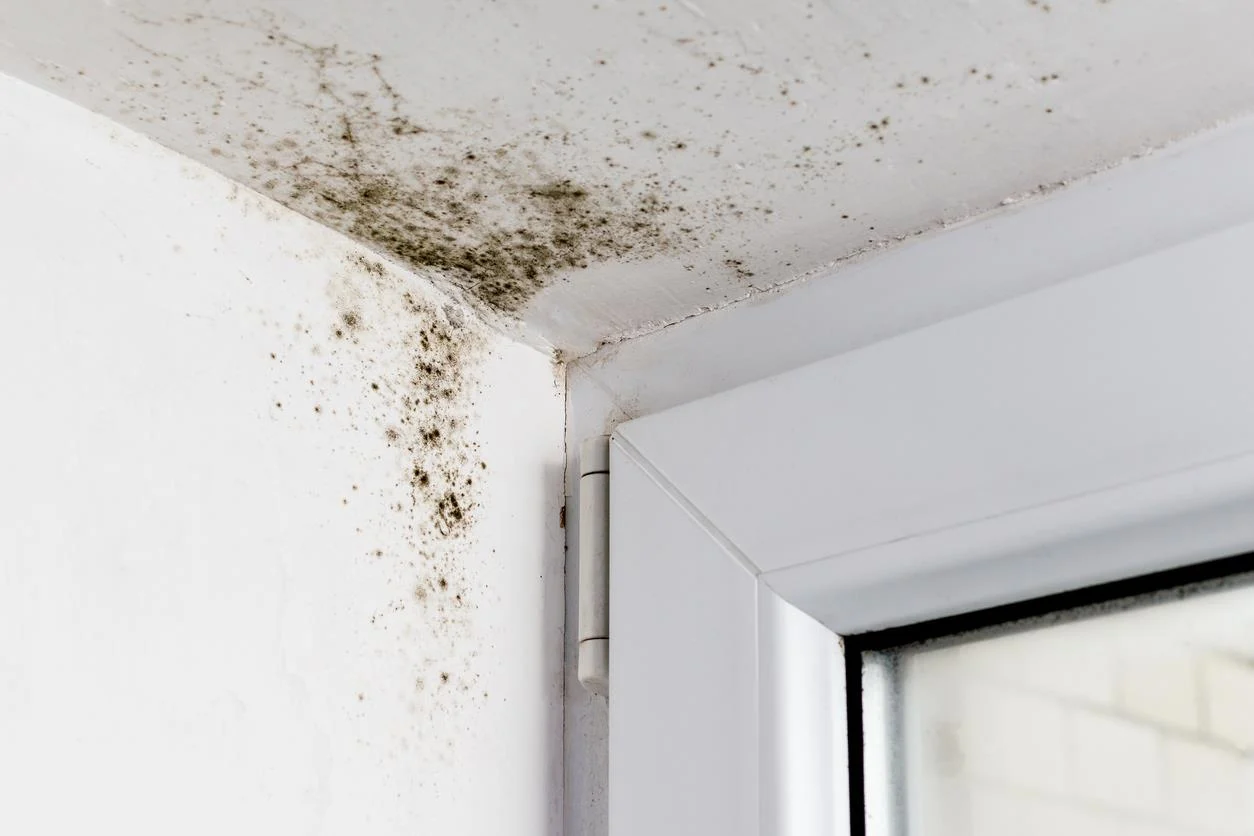
Mold Damage Reconstruction in Berlin, NJ
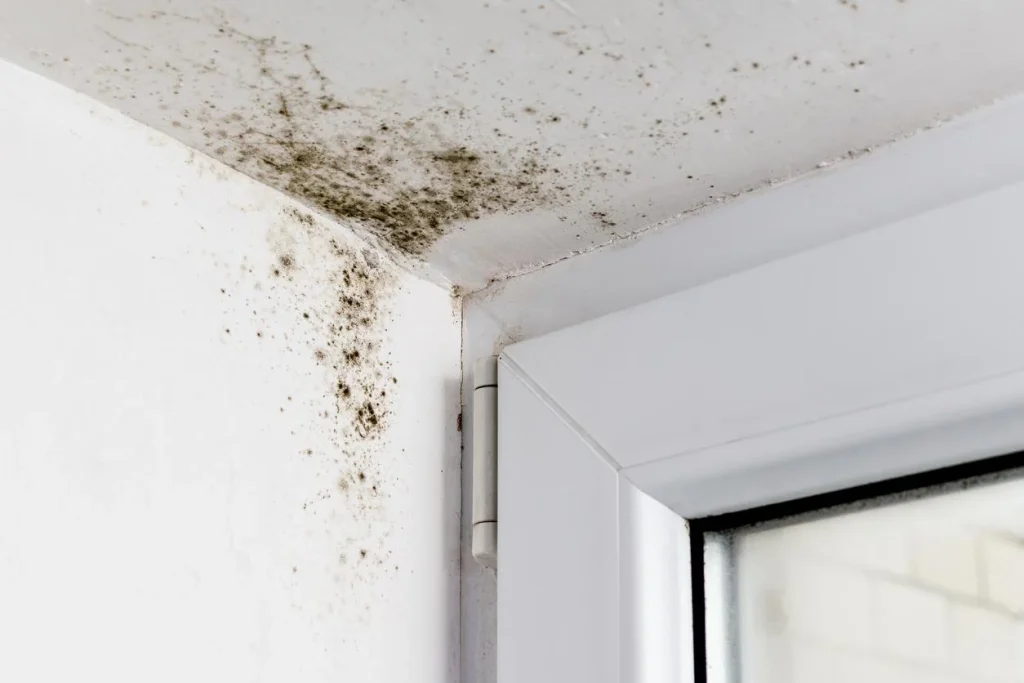
After mold remediation removes contaminated materials — drywall, insulation, subfloor, sometimes framing — your property needs reconstruction to restore the affected spaces. United Water Restoration Group of Berlin’s licensed reconstruction team handles the rebuild with attention to the moisture control and proper materials selection that prevents future mold growth. By handling both remediation and reconstruction, we ensure the rebuild addresses underlying conditions that allowed mold to grow in the first place. Serving Berlin and all of South Jersey.
Preventing Future Mold Through Proper Rebuild
Mold returns when underlying moisture conditions are not addressed. Our reconstruction approach goes beyond surface rebuild — we evaluate ventilation, vapor barriers, drainage, and material selection in the affected area to ensure conditions are corrected. Using mold-resistant drywall, proper insulation, and appropriate ventilation in moisture-prone areas (bathrooms, basements, crawl spaces) significantly reduces the risk of mold recurrence.
Insurance Coverage for Mold Reconstruction
When mold remediation is a covered claim, the reconstruction that follows is typically covered under the same claim. UWRG Berlin prepares documentation across both phases, communicates with your adjuster, and ensures the rebuild scope is fully covered by your policy.
Request a Free Consultation or Estimate
For all your restoration, remediation and dehumidification needs in the Berlin, NJ area, contact us today at (856)-830-5644 or fill out the form.
24/7 EMERGENCY SERVICE

What Gets Replaced After Mold Remediation
Reconstruction following mold remediation rebuilds the porous materials that had to be removed to safely eliminate mold colonization. Common replacements include:
Drywall
Mold-affected drywall is removed and replaced. In moisture-prone areas, we use moisture- or mold-resistant drywall to reduce recurrence risk.
Insulation
Insulation that has been wet or colonized by mold cannot be effectively cleaned and is replaced with new insulation appropriate for the location.
Subfloor and Flooring
Subfloor materials saturated by water and colonized by mold are removed and replaced. Finished flooring (hardwood, tile, carpet) is then installed to match existing or selected new materials.
Framing in Severe Cases
When mold has penetrated deeply into wood framing members or the wood has deteriorated, those structural members may need replacement. Our team works with engineers when structural repairs are required.
Start Your Mold Damage Rebuild Today
After remediation, our licensed reconstruction team rebuilds with mold-resistant materials and addresses underlying moisture conditions to prevent recurrence. Free Inspection. We Work With All Insurance Companies.
HERE'S WHAT OUR CLIENTS HAVE TO SAY
FAQ
Why is reconstruction needed after mold remediation?
Mold remediation often requires removing porous materials that have been colonized by mold — drywall, insulation, subfloor, sometimes framing. Reconstruction is the rebuild of those removed materials, restoring the property to pre-loss condition while addressing underlying moisture conditions.
What materials typically need to be replaced after mold remediation?
Common replacements include drywall (often replaced with mold-resistant drywall), insulation, subfloor, finished flooring, and in severe cases framing members. Scope depends on the extent of mold colonization and what was removed during remediation.
Does insurance cover reconstruction after mold damage?
In most cases yes — when mold remediation is a covered claim, the reconstruction that follows is typically covered under the same claim. UWRG Berlin prepares documentation across both phases and works directly with your insurance adjuster.
How do you prevent mold from growing back in the rebuilt areas?
Prevention requires addressing the underlying moisture conditions that allowed mold to grow. Our rebuild evaluates ventilation, vapor barriers, drainage, and material selection — using moisture- or mold-resistant materials in moisture-prone areas (bathrooms, basements, crawl spaces) to significantly reduce recurrence risk.