

FIRE ● MOLD ● WATER
Fire & Smoke Damage Cleanup in Berlin, NJ
- CERTIFIED TECHNICIANS
- 24/7 EMERGENCY SERVICES
- WE WORK WITH ALL INSURANCE
- WE ARRIVE WITHIN 60 MINUTES
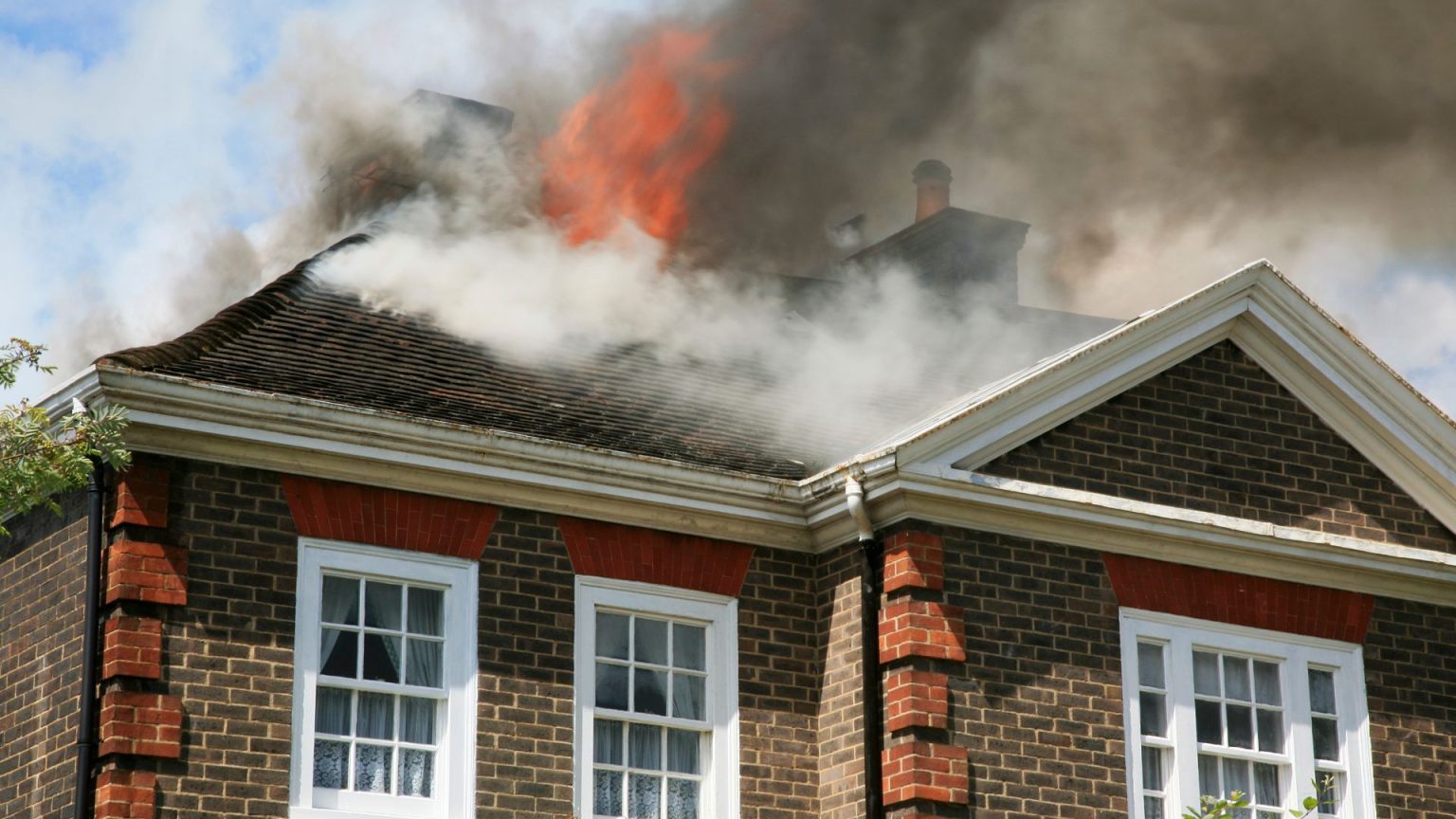
Fire & Smoke Damage Cleanup in Berlin, NJ
Smoke is deceptive. While fire burns in one room, smoke travels silently throughout the entire structure — seeping through wall cavities, saturating insulation, infiltrating HVAC ductwork, and settling into every porous material from hardwood floors to upholstered furniture. In many fire losses, the smoke and soot damage is ultimately more extensive — and more expensive to remediate — than the direct fire damage itself. United Water Restoration Group of Berlin specializes in professional smoke damage cleanup using industrial air scrubbers, HEPA filtration, thermal fogging, and hydroxyl deodorization. We respond 24/7 throughout South Jersey and arrive within 60 minutes.
How Smoke Travels Through a Property
Smoke follows air pressure differentials, moving from high-pressure areas toward low-pressure areas regardless of where the fire originated — traveling through wall cavities, HVAC ductwork, attic spaces, and porous materials to infiltrate every part of the building.
Types of Soot and What They Mean
Dry soot (high-temp fires): light and powdery; vacuums but smears if wiped. Wet soot (low-temp smoldering fires): sticky, dark, strongly odorous. Protein soot (kitchen fires): nearly invisible but intensely odorous. Fuel/chemical soot: thick, black, greasy; needs industrial degreasers. Our technicians identify the residue type before choosing a cleaning method.
Air Scrubbing & HEPA Filtration
UWRG Berlin deploys commercial-grade HEPA air scrubbers that filter particles as small as 0.3 microns — capturing soot, ash, and combustion byproducts throughout the affected structure. Multiple air scrubber passes are completed before, during, and after surface cleaning to prevent re-contamination of cleaned surfaces.
Thermal Fogging & Deodorization
Thermal fogging heats a deodorizing solution into a dense fog that penetrates the same porous materials that absorbed smoke. The deodorizing agent chemically neutralizes odor molecules rather than masking them — permanent odor elimination. It is complemented by hydroxyl generator treatment, which continuously produces hydroxyl radicals to break down airborne odor compounds and VOCs.
HVAC System Cleaning
Smoke particles drawn into return air vents coat duct interiors, fan blades, evaporator coils, and filter media. Without professional duct cleaning following a fire, the HVAC system will continue to redistribute smoke odor every time it operates. UWRG Berlin inspects and cleans ductwork, replaces contaminated filters, and coordinates with HVAC specialists when needed.
Contents Cleaning
Our contents pack-out and cleaning service removes items from the structure, catalogs them, and subjects them to appropriate cleaning processes: dry cleaning for textiles, ultrasonic cleaning for hard surfaces and electronics, ozone or hydroxyl treatment for odor, and document restoration for paper. Items that cannot be restored are documented for insurance replacement claims.
Why Professional Smoke Cleanup Is Essential
Smoke residue is chemically active — it contains acids that corrode metal, pit glass, and stain surfaces permanently if not neutralized promptly. Within hours, smoke can etch chrome fixtures. Within days, acid residue discolors painted walls. Attempting to clean smoke damage with household products often makes it worse.
Request a Free Consultation or Estimate
For all your restoration, remediation and dehumidification needs in the Berlin, NJ area, contact us today at (856)-830-5644 or fill out the form.
24/7 EMERGENCY SERVICE
Get Emergency Fire & Smoke Cleanup Today
Available 24/7 — 60-Minute Arrival Guarantee. UWRG Berlin’s IICRC-certified team uses HEPA air scrubbers, thermal fogging, HVAC cleaning, and contents pack-out to eliminate every trace of smoke and soot damage. Free Inspection. We Work With All Insurance Companies.
Serving Berlin, NJ and South Jersey Communities
United Water Restoration Group of Berlin proudly serves homes and businesses throughout Burlington and Camden Counties from our base in Marlton, NJ. Our certified restoration teams cover the full South Jersey region with rapid emergency response — no matter where you are in our coverage area, our 60-minute arrival guarantee applies 24 hours a day, every day of the year.
Cities We Serve
- Berlin
- Burlington
- Marlton
- Medford
- Moorestown
- Mt. Laurel
- Sewell
- Voorhees
- Williamstown
- Willingboro
HERE'S WHAT OUR CLIENTS HAVE TO SAY
FAQ
Why is smoke damage often more extensive than the fire itself?
Smoke travels instantly throughout an entire structure via air pressure differentials, wall cavities, and HVAC systems. It saturates porous materials — drywall, insulation, wood, fabric — far beyond where flames ever reached. The chemical compounds in smoke are also corrosive: acids in soot begin etching surfaces within hours. In many residential fire claims, the cost of smoke and soot remediation in unburned areas exceeds the cost of repairing fire-damaged areas.
What is thermal fogging and how does it remove odor?
Thermal fogging involves heating a deodorizing solution to create a penetrating fog that mimics how smoke spreads — reaching the same porous materials that absorbed smoke odor. The deodorizing compounds chemically react with and neutralize odor molecules at the molecular level, providing permanent odor elimination rather than temporary masking. One of the most effective methods available for post-fire odor remediation.
Can smoke damage my HVAC system?
Yes. Smoke is drawn into HVAC return vents during a fire and deposits soot, ash, and odor-causing compounds throughout the duct system, on coil surfaces, and on fan components. Without professional HVAC cleaning after a fire, every time the system runs it redistributes contamination throughout the building — a frequently overlooked source of persistent smoke odor after a fire.
How long does smoke odor last without professional treatment?
Smoke odor embedded in porous materials — wood, drywall, insulation, fabric, carpet — does not dissipate on its own. Without professional treatment, smoke odor can persist for months or years, intensifying in warm or humid conditions. Standard air fresheners and consumer deodorizers mask odor temporarily but do not address the odor compounds embedded in materials.