

FIRE ● MOLD ● WATER
Mold Removal Services in Berlin, NJ
- CERTIFIED TECHNICIANS
- 24/7 EMERGENCY SERVICES
- WE WORK WITH ALL INSURANCE
- WE ARRIVE WITHIN 60 MINUTES
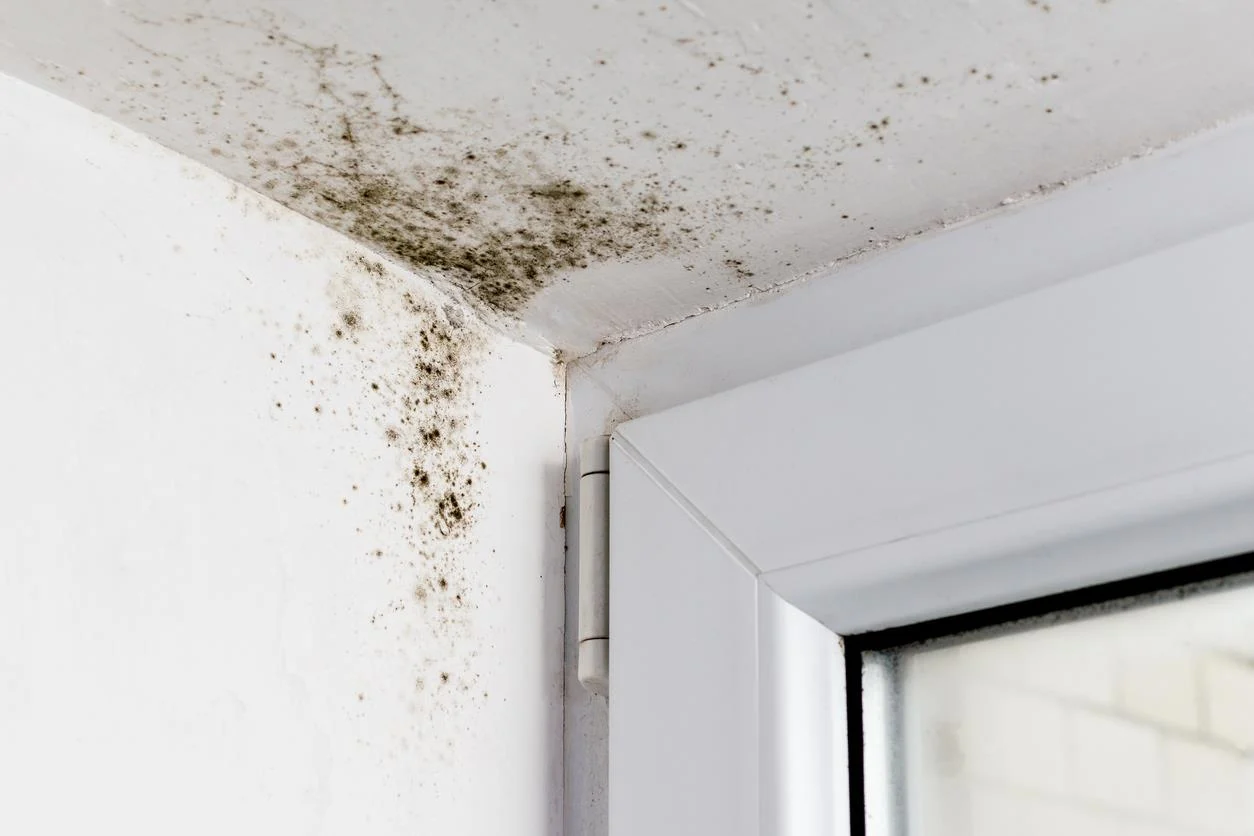
Mold Removal Services in Berlin, NJ
Mold removal refers to the physical elimination of mold-affected materials from a property — the most certain way to eliminate established mold colonies and prevent recurrence. While remediation manages mold growth in place using cleaning and antimicrobial treatment, removal addresses situations where mold has penetrated porous materials too deeply to be cleaned safely or effectively. United Water Restoration Group of Berlin provides IICRC S520-compliant mold removal services throughout Berlin, Marlton, Voorhees, Mt. Laurel, Moorestown, and all of South Jersey. Our certified technicians use proper containment, HEPA filtration, full PPE, and post-removal air quality testing to ensure your property is fully cleared before reoccupancy.
Mold Removal vs. Mold Remediation: Understanding the Distinction
Mold remediation aims to reduce mold contamination to acceptable levels through containment, cleaning, antimicrobial treatment, and clearance testing. Mold removal involves the physical extraction and disposal of mold-affected materials — the more aggressive approach used when remediation alone cannot ensure complete elimination of the mold.
When Mold Must Be Physically Removed
Physical removal is necessary when mold has heavily colonized porous materials — drywall, insulation, carpet, ceiling tile, subflooring — that cannot be safely or effectively cleaned in place. It is also required when contamination is from Category 3 black water (sewage), when materials show structural deterioration from mold, or when occupants have severe mold-related health conditions requiring complete elimination.
Safe Mold Removal Process
All removal is performed inside an established containment zone with HEPA-filtered negative air pressure to prevent spore dispersal. Technicians wear full PPE including respirators and protective suits. Affected materials are bagged at the work site, removed through controlled pathways, and disposed of according to New Jersey environmental regulations. After removal, exposed surfaces (framing, subfloor) are HEPA-vacuumed and treated with EPA-registered antimicrobial agents.
Post-Removal Air Quality Testing
After mold removal, post-removal air sampling verifies that indoor mold spore concentrations have returned to ambient outdoor levels or below. Only after passing clearance testing is the containment removed and the space cleared for reconstruction and reoccupancy.
Residential & Commercial Mold Removal
UWRG Berlin provides mold removal services for homes, multi-family properties, offices, retail spaces, schools, and other commercial properties throughout South Jersey. Project scope is matched to the size and type of property, and reconstruction services are available to rebuild any affected areas once removal is complete.
Request a Free Consultation or Estimate
For all your restoration, remediation and dehumidification needs in the Berlin, NJ area, contact us today at (856) 215-2500 or fill out the form.
24/7 EMERGENCY SERVICE
Schedule Your Mold Removal Today
Available 24/7 — 60-Minute Arrival Guarantee. UWRG Berlin’s IICRC S520-certified team handles full containment, safe removal of mold-affected materials, antimicrobial treatment, and post-removal clearance testing. Free Mold Inspection. We Work With All Insurance Companies.
HERE'S WHAT OUR CLIENTS HAVE TO SAY
FAQ
What is the difference between mold removal and mold remediation?
Mold remediation manages and reduces mold growth in place using containment, cleaning, antimicrobial treatment, and clearance testing. Mold removal physically extracts and disposes of mold-affected materials when those materials cannot be safely or effectively cleaned. Both approaches follow IICRC S520 protocols and often work together — removal of heavily affected materials followed by remediation of adjacent areas.
Can all mold be completely removed from a property?
No environment is completely mold-free — mold spores exist naturally in indoor and outdoor air. Professional mold removal reduces indoor mold concentrations to levels at or below ambient outdoor levels, which is the IICRC S520 standard for successful remediation. Post-removal clearance testing verifies this benchmark has been reached.
Is black mold more dangerous than other types?
Stachybotrys chartarum, commonly called black mold, produces mycotoxins that can cause more serious health effects than many common mold species, particularly in vulnerable populations (children, elderly, immunocompromised). However, color alone is not a reliable indicator of toxicity — many non-toxic species also appear black. All visible mold should be professionally inspected, identified, and remediated regardless of color.
How is mold safely contained during removal?
Containment is established using polyethylene sheeting to physically isolate the work area from the rest of the property. HEPA-filtered air scrubbers create negative air pressure inside containment, ensuring all airflow moves into the containment and through filtration — capturing airborne mold spores at 99.97% efficiency for particles as small as 0.3 microns. Removed materials are bagged inside containment before being carried out through controlled pathways.